The West Racing’s 2026 goal is to be National ‘supertwins’ champions in the No Limits Racing ‘Supertwin Trophy’ series. Supertwins are your normal road-going sport bikes with engines up to 700cc taken to the absolute limit of performance. Nearly everything can be tuned, modified or replaced apart from the standard frame. This means that every bit of performance we can gain is required. This is why we reached out to ‘3D Scanners UK’ so we can get a digital scan of our bike’s road frame, and (since we are going to be using the standard homologated fuel tank) the standard fuel tank as well.
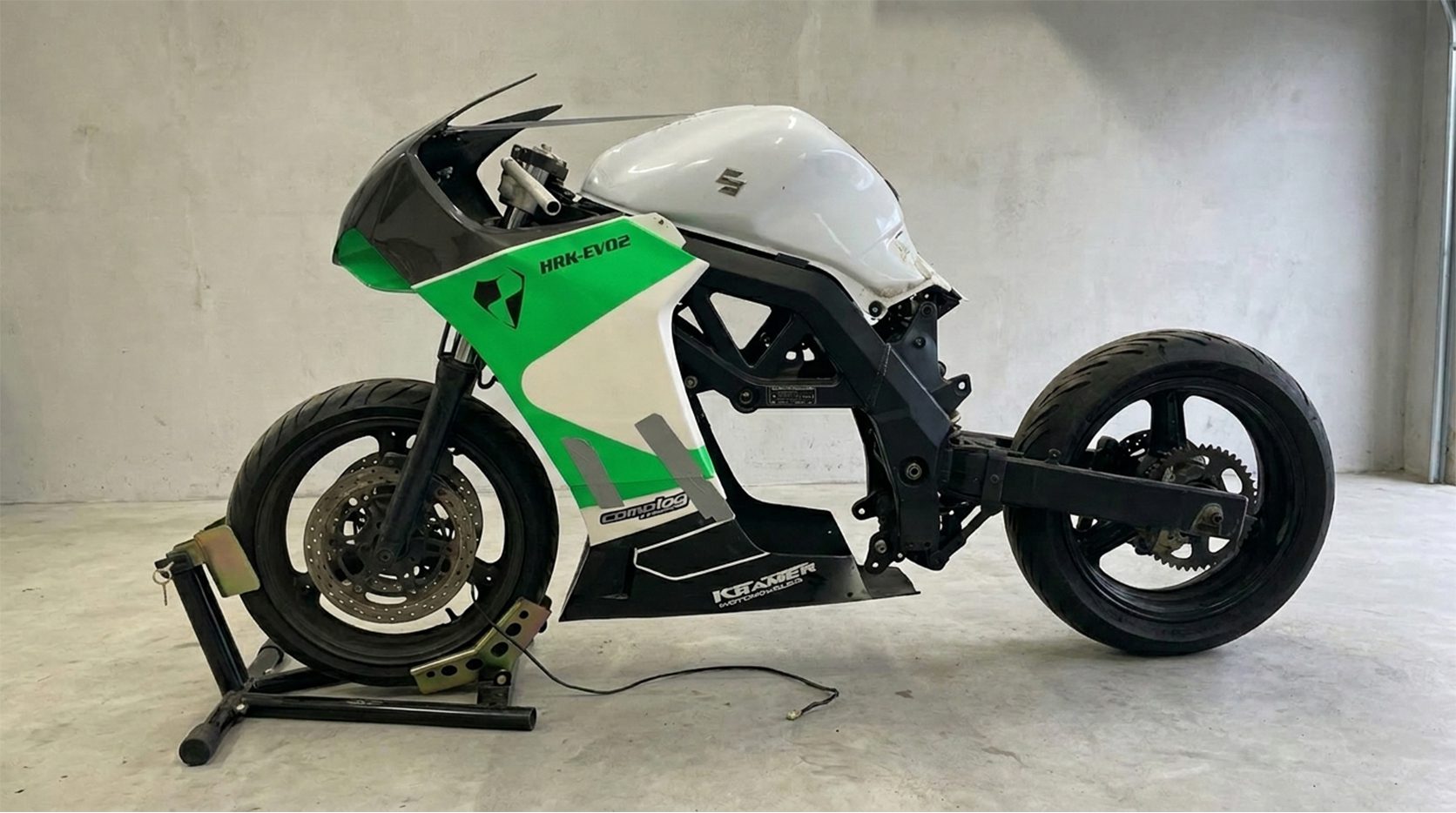
The purpose of getting these high-quality scans is so we can produce bespoke racing parts that have unrivalled weight and performance characteristics, with our main goal of producing light weight bespoke bracketry for the fairings and a special monocoque seat unit from carbon composites. Having reached out to 3D Scanners UK, they provided a lot of detail on the process and what the CAD (computer aided design) models would be like. The team at 3D Scanners UK have an enormous amount of experience and helped me with any questions I had and whether the scanning direction was right for me. Once I had their expert knowledge, I felt confident that this would be a massive help to our race bike project. We agreed for me to drop the parts off with them as I was driving past and once, they were finished with the scans they would hold onto the parts until I was in the area again, this flexibility with me allowed the process of dropping off and picking up the parts so easy. Very quickly after the scans were done I received the files.
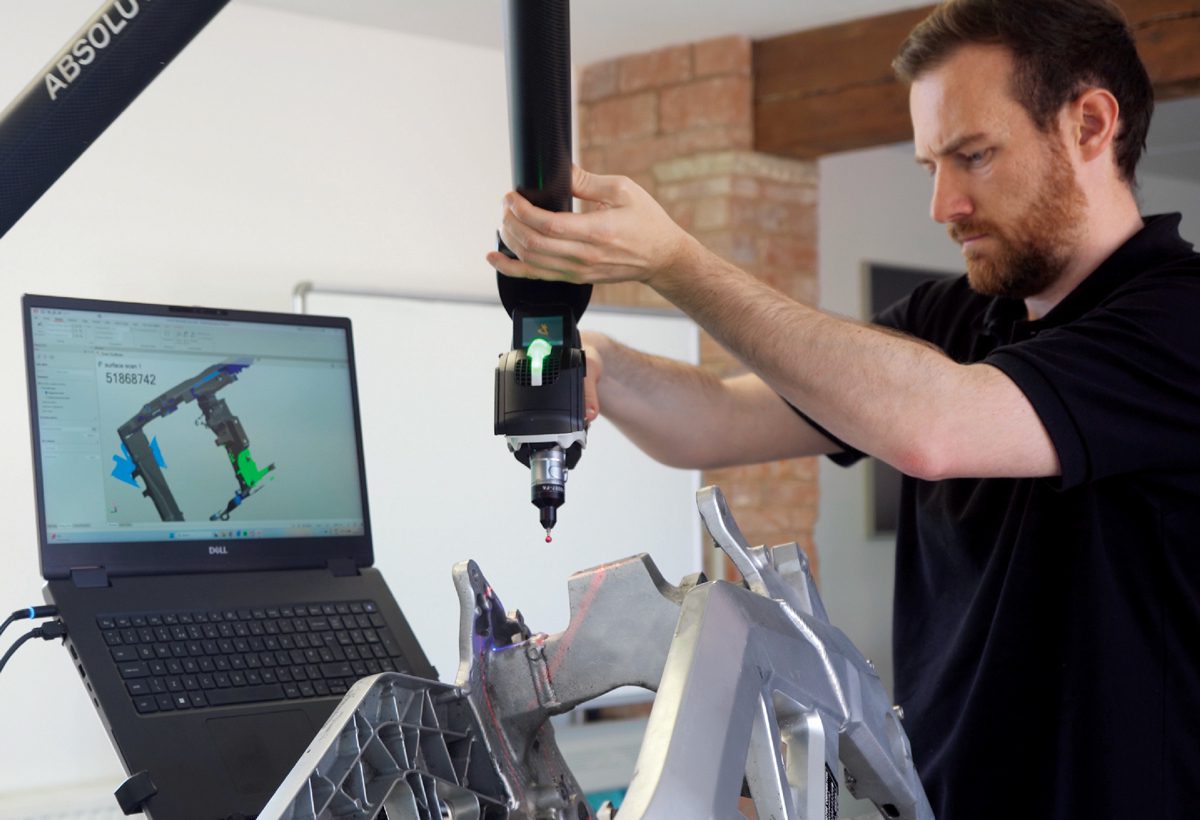
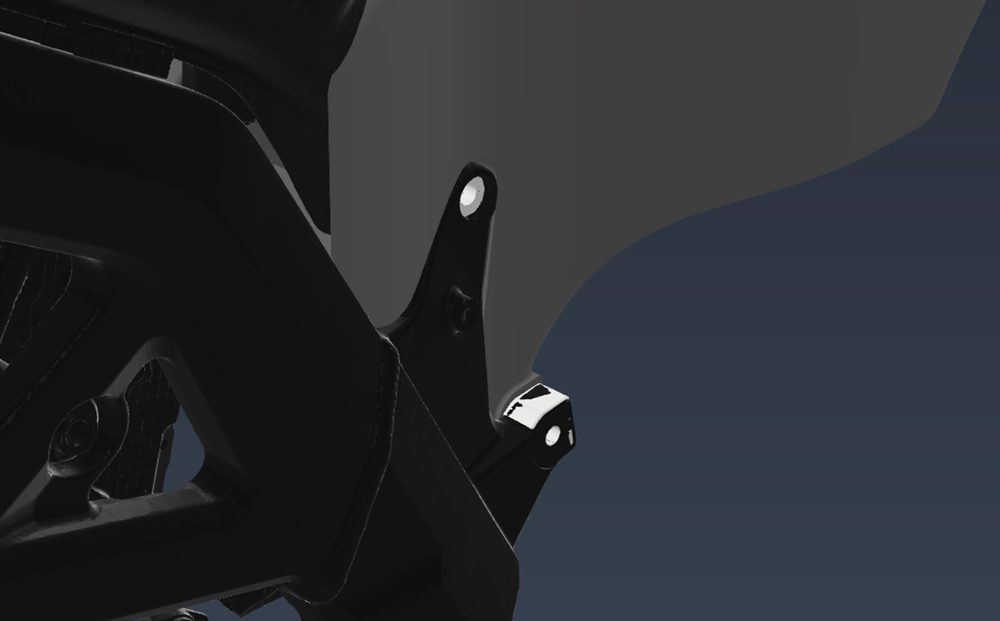
I opened the frame and fuel tank files on my CAD software and was blown away at the level of detail. I had previously tried to use some spray adhesive on the fuel tank which had left some residue and the accuracy of scans produced by 3D Scanners UK had picked this level of detail up. Incredible. In the files 3D Scanners UK had sent me included the fuel tank and frame at 3 levels of quality (highest quality being highly detailed with amazing surface fidelity and geometric accuracy). However, I chose to use the lower quality model due to my CAD laptop being slightly older. Along with this was a note file that contained accurate coordinates for all the bolt holes on the frame.
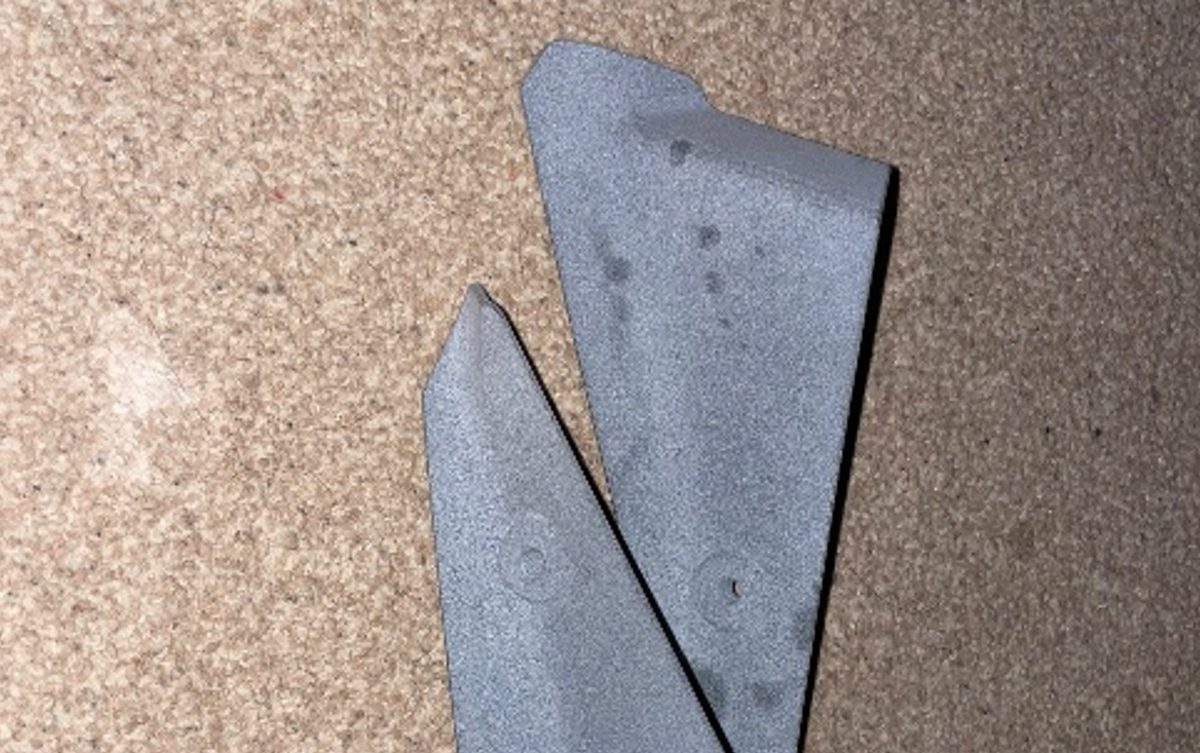
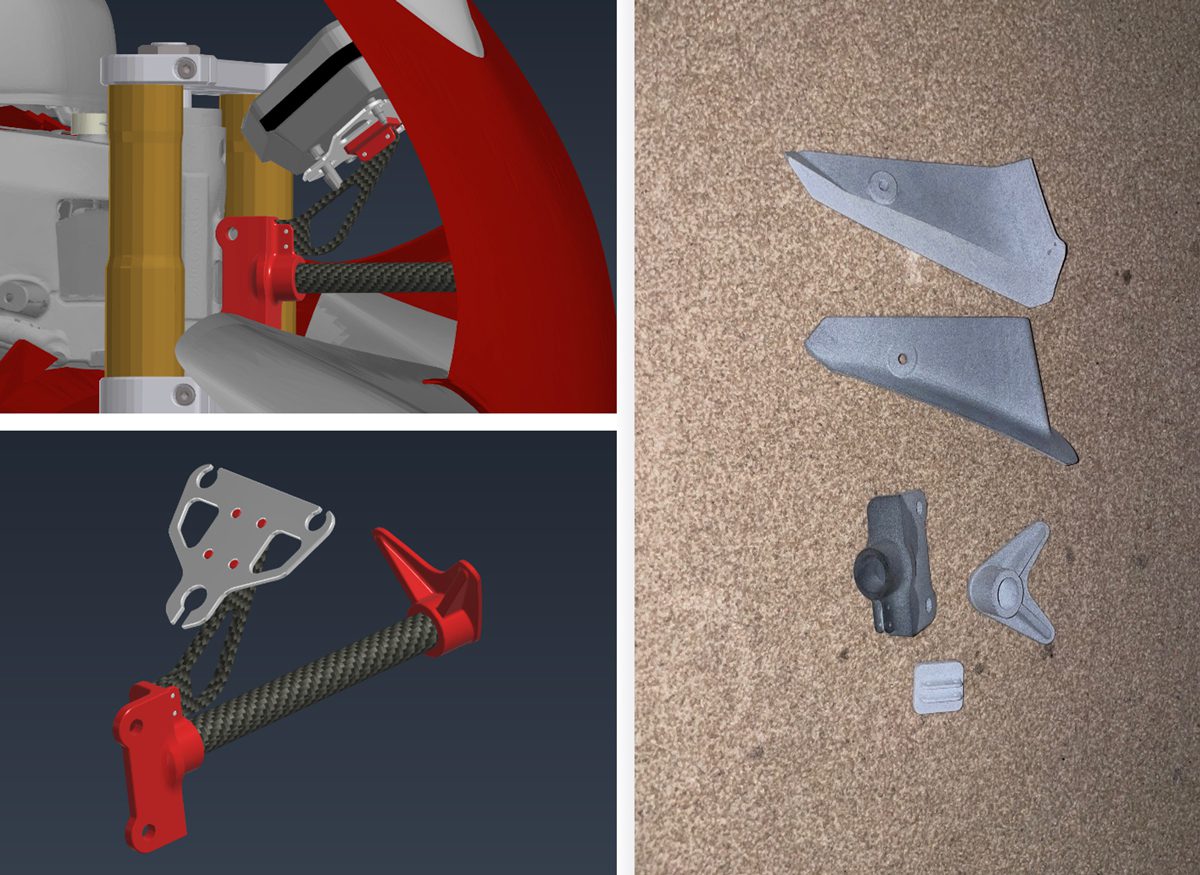
The data 3D Scanners UK provided from the 3D scan allowed our team to produce 3D parts on CAD in a matter of hours and send them to be 3D printed as functional protypes in a matter of hours. If I did not have the help of 3d scanners UK I would not have been able to produce high accuracy models of the frame and fuel tank myself due to the complex nature of the geometric shapes making it nearly impossible to get right through reverse engineering. Therefore, all bracketry would have been made by hand out of metal (heavy and time consuming) or alternatively shaped from foam by hand to make patterns for a composite or fibre glass part, this can take weeks if not months to be done right.
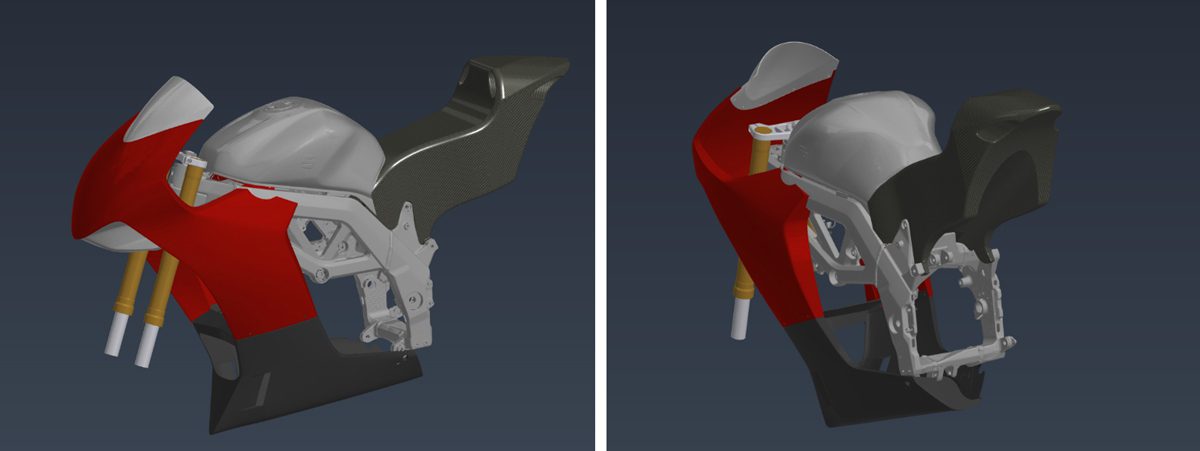
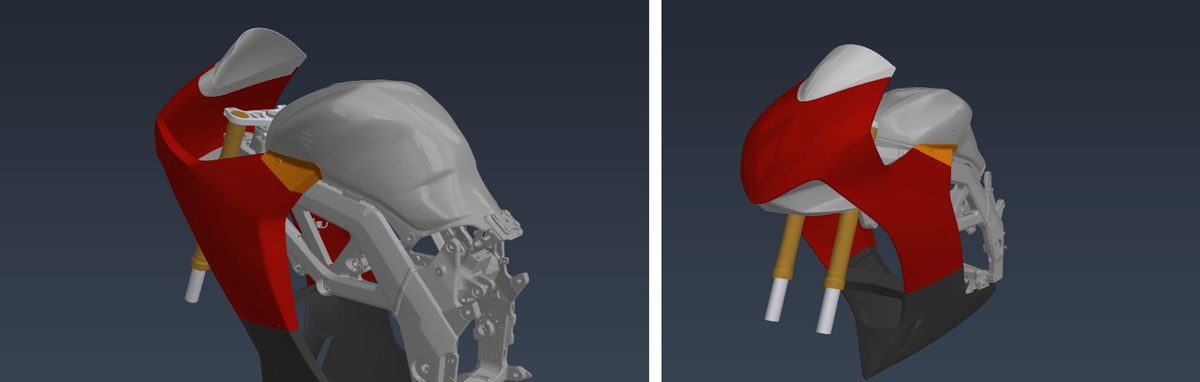
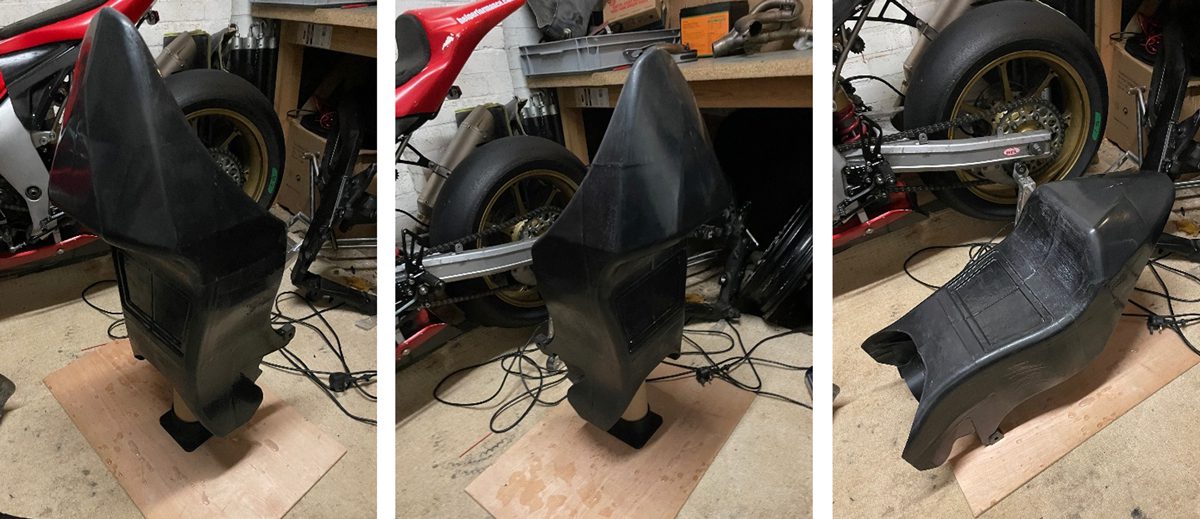
Take the monocoque seat unit for instance(see figure 3 and 5), This would of required shaping on the bike out of foam, this would take weeks of work and may result in a geometrically uneven shape, however with the 3D scans I was able to make a model that I was confident would fit the bike in (approx. 20 hours of work), 3D print in sections (approx. 3 days of print time on a small FDM printer), test fit the seat, then use that 3d print as a pattern for pulling carbon fibre moulds. Unbelievably quicker process and a lot less working time, allowing for other items to designed whilst the current parts are being printed. Currently an aluminium seat subframe and fibre glass seat unit weighs 3-3.5kgs the predicted weight of the new carbon monocoque is <1kg.
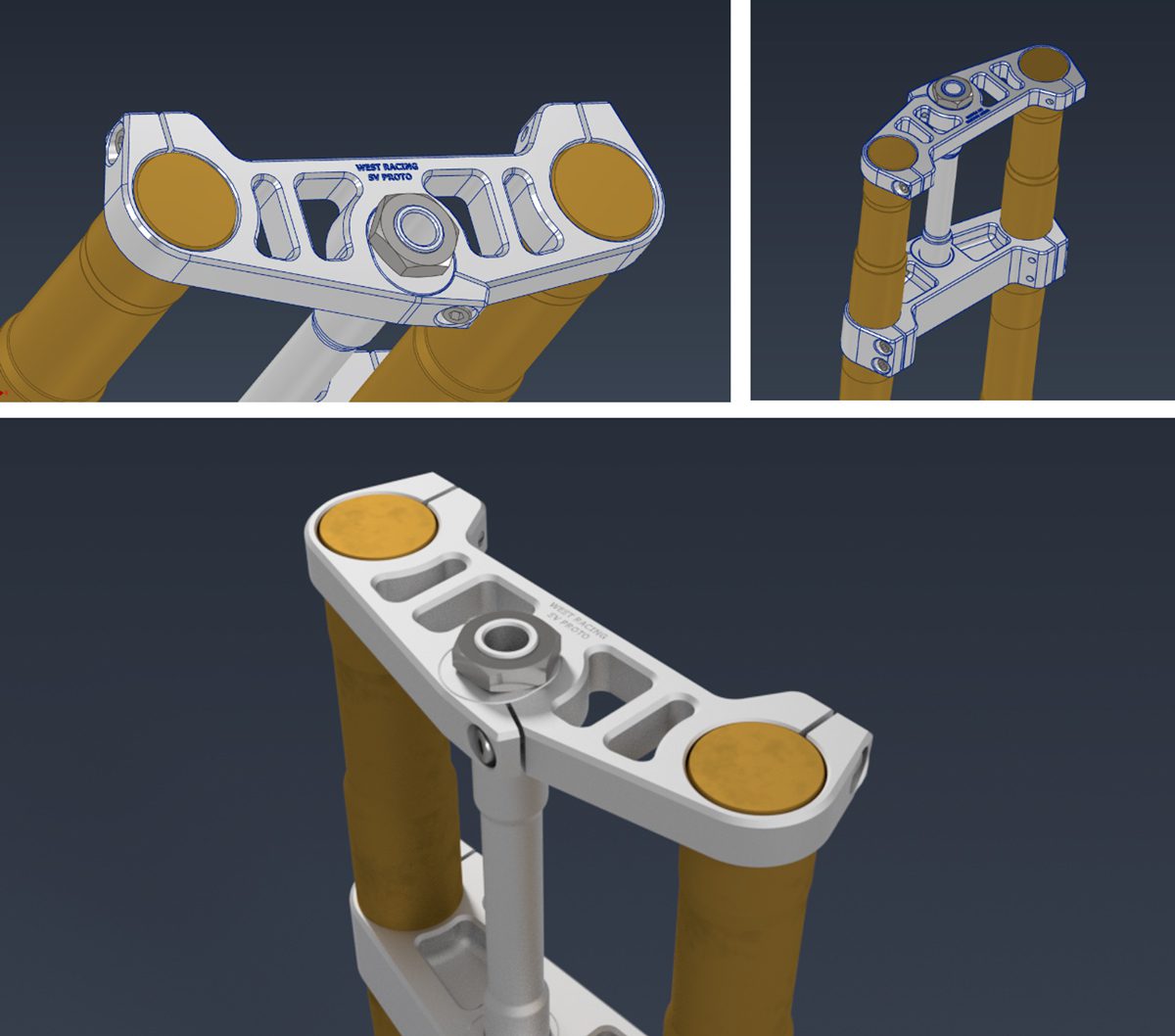
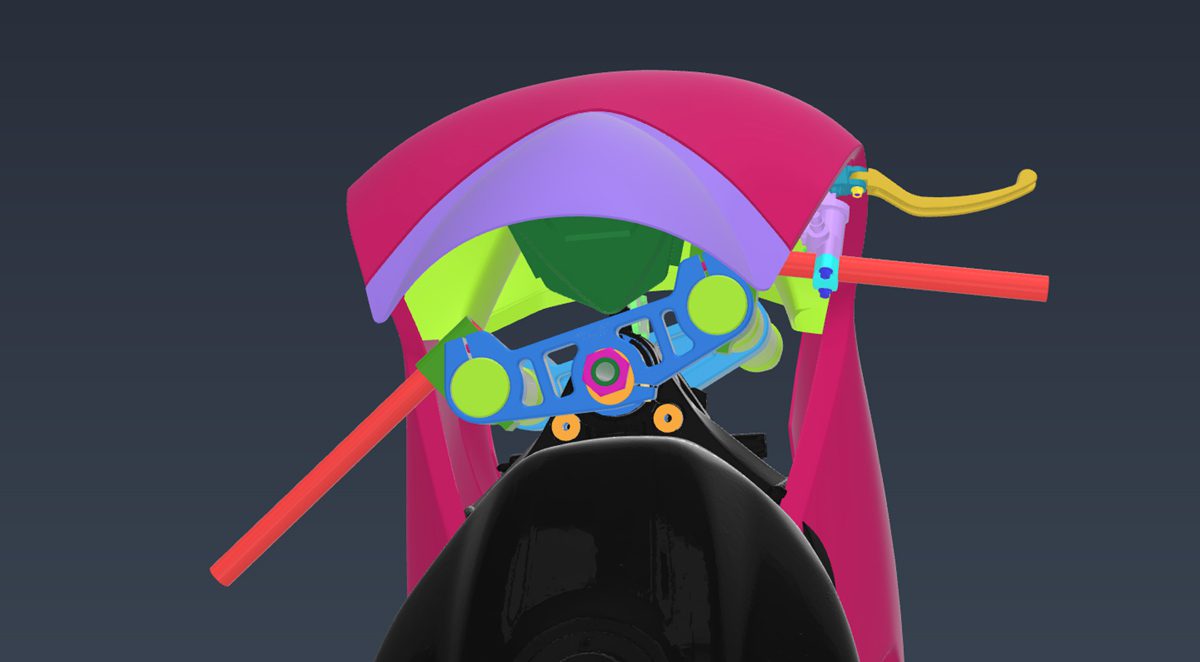
The amount of work saved, and ease of production has allowed us to shift our goals from not just the monocoque seat unit and bracketry but other performance parts such as the top and bottom fork clamps, stem, subframe, dash bracket, custom air intakes to increase engine performance and custom lightweight rear sets (footrests). As well as this it also allows us to accurately perform space analysis tasks such as how the steering lock affects the handlebar and brake lever placement and how the performance exhaust and larger radiator fit into the tightly packaged fairing.
3D Scanners UK provides a professional service that allows for industry leading businesses and amateur hobbyists alike to have accurate and high-quality 3D scans which decreases the process time of design to prototype to manufacture and increases accuracy of prototypes and the efficiency of which you work. It’s great to see 3D Scanners UK also support small motorsport teams in their goals for 2026, and with there help we can secure the national championship in a highly competitive class.
Sincerely,
Thomas Corthorn-West
Mechanical Engineer (Nuclear) – Motorcycle Racer


